
Exceptional customer service and fast turnaround on my request for an insurance appraisal. Their professionalism, responsiveness, and attention to detail strengthened my position in an ongoing insurance claim. Incredibly easy to work with—courteous, efficient, and clear in their communication throughout the process. Highly recommend them to anyone needing accurate, independent appraisals for insurance or personal purposes.
USPAP CONTENTS APPRAISALS FOR WILDFIRE LOSSES
Wildfire Contents Appraisal
Wildfire contents appraisal services for litigation and insurance claims, prepared in accordance with USPAP, with every value tied to the evidence that an item existed. Ember Wildfire Contents Appraisers values destroyed and smoke-damaged household items, collections, and high-value personal property nationwide.
- Values tied to pre-fire photos and records
- Retrospective value as of the fire date
- Signed reports for litigation and claims
Contents Appraisal Services for Wildfire Litigation and Insurance Claims
Ember Wildfire Contents Appraisers prepares USPAP-compliant personal property appraisals for households and individuals affected by utility wildfires, tying every value to the evidence that an item existed: a dated photo, video still, social post, or record.
Our reports are built to meet what courts and compensation programs ask for: an itemized inventory, a professional appraisal for higher-value items and collections, and values stated as of the date of the fire.
Plaintiff & Litigation Attorneys
Signed, evidence-linked reports built to be produced and exchanged in discovery.
Policyholder Attorneys & Public Adjusters
Contents valuations supporting underpaid claims and compensation-program filings.
Fire Survivors with High-Value Items
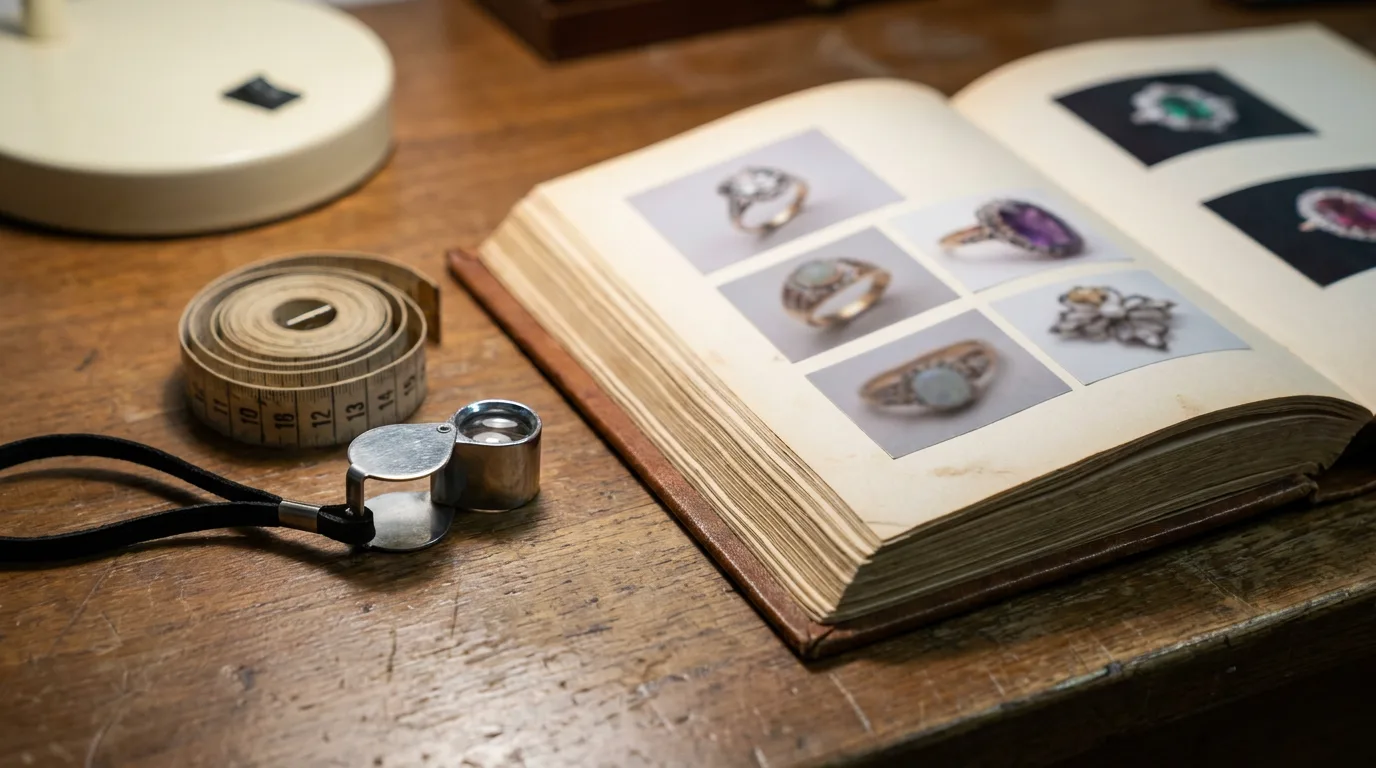
Appraisals for art, jewelry, firearms, instruments, and collections, built from photos when receipts were lost.
REPORT TYPES
Four Contents Appraisal Report Types for Wildfire Matters
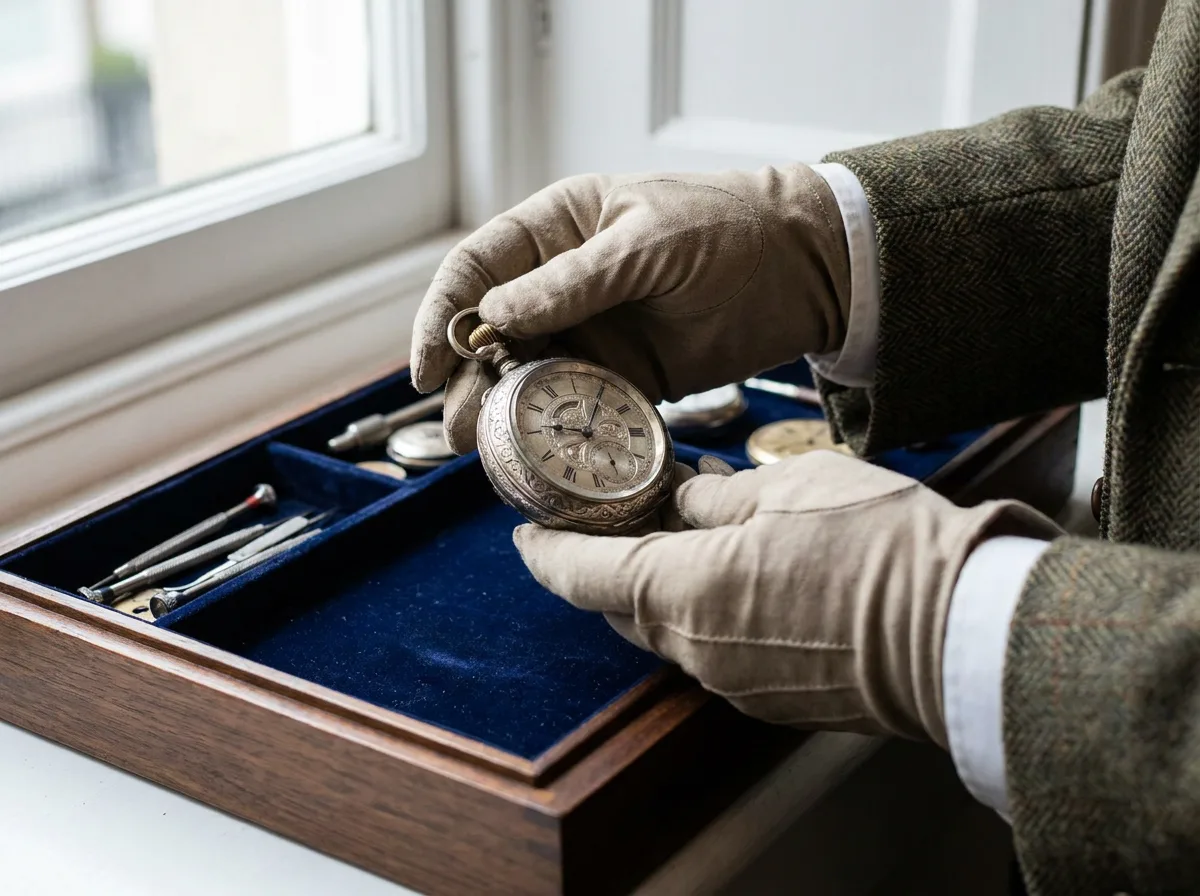
High-Value Item & Collection Appraisal
Signed valuations for single items or collections above the $10,000 threshold many damages questionnaires require, from fine art and jewelry to firearms and instruments. Each item is tied to the evidence that it existed and valued as of the date of the fire. USPAP-compliant and built to withstand review in court or by a claims administrator.
Typical items:
- Fine art
- Jewelry and watches
- Firearms
- Musical instruments
- Coin and stamp collections
- Designer goods

Household Contents Appraisal From Photos
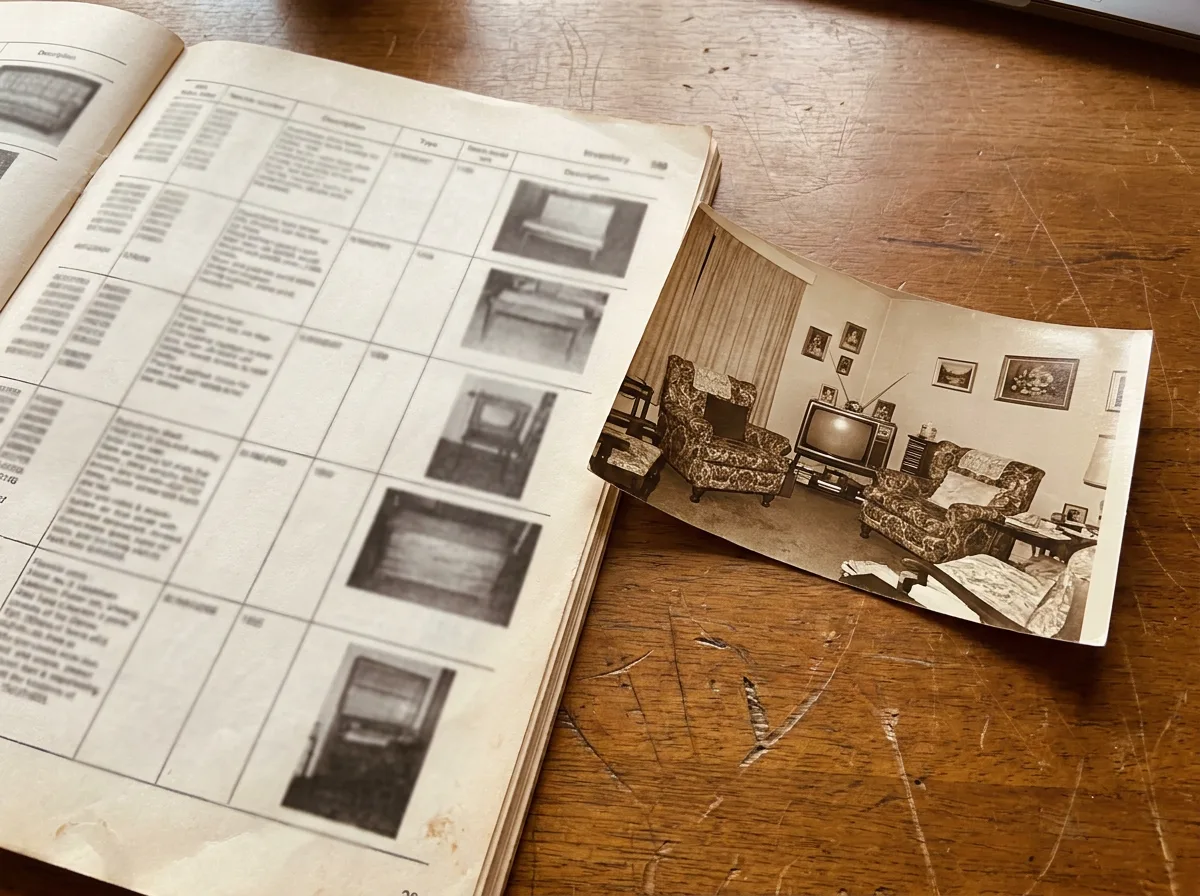
An evidence-linked inventory built from phone photos, video stills, social posts, and any records that survived. When receipts burned, we classify each item by how well it can be documented and value it accordingly. The result is a room-by-room report a court or claims reviewer can follow line by line.
Evidence we work from:
- Phone photos
- Video stills
- Social media posts
- Insurance schedules
- Prior appraisals
- Receipts and records

Smoke and Soot Contents Appraisal
Valuation of contents that survived the fire but suffered smoke or soot damage, including a clean-versus-replace finding for each item. We document condition as found and value the loss against what the item was worth before the fire. Useful where insurers dispute whether an item needs replacement.
Commonly affected items:
- Upholstered furniture
- Rugs and textiles
- Electronics
- Artwork and photographs
- Kitchenware
- Clothing
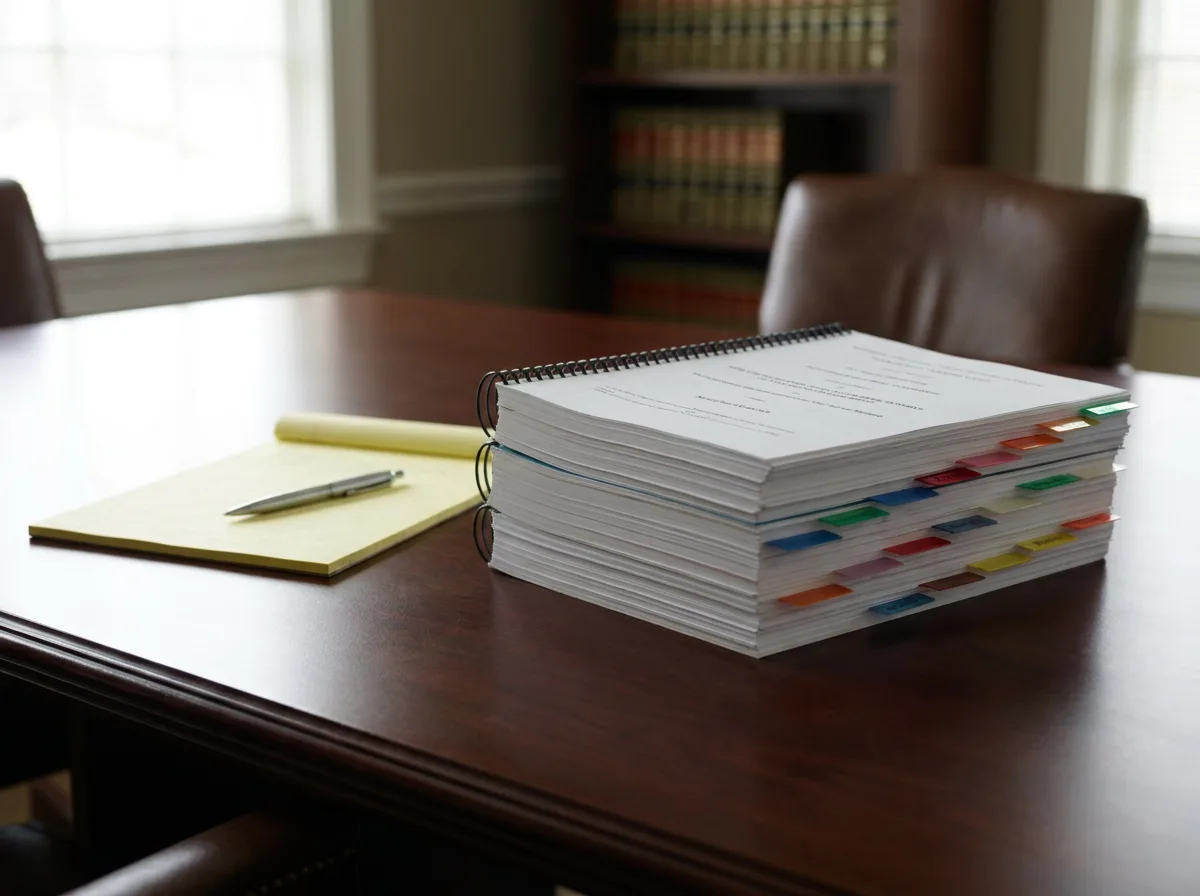
Litigation Support Contents Appraisal
Reports built to be produced and exchanged in discovery, with the valuation methodology disclosed and defensible. The signing appraiser is available for deposition or trial testimony, billed hourly and separately from the report fee. Built for cases where the contents figure will be contested.
Built for:
- Discovery production
- Deposition exhibits
- Trial testimony
- Settlement negotiations
- Expert reports
- Case management deadlines
WHAT CASES AND PROGRAMS ASK FOR
What Wildfire Cases and Programs Require for Contents
Itemized Inventory
Eaton CMO 3 asks for an itemized inventory of personal property with stated values.
Professional Appraisals Over $10,000
Eaton CMO 3 asks for the results of any professional appraisal for items or collections valued above $10,000.
Pre-Fire Photos
Eaton's CMO 3 document checklist calls for photos showing items before the fire.
Appraisals Before Each Damages Trial
Oregon's CMO 11 requires supporting appraisals and inventories 45 days before each damages trial.
Original Source Materials
SCE's Detailed Review track will not accept summaries or interpretations prepared by experts or counsel without the underlying source materials.
Market Value Only
Colorado measures contents at market value, excluding any sentimental-value component.
OUR METHOD
Every Value Points at the Evidence
Every item in an Ember report is classified into one of three confidence tiers: photo-identified, where a dated image shows the item in the home; document-identified, where a receipt, warranty, insurance schedule, or prior appraisal documents it; or owner-attested, where a detailed written description stands in for an image or record. The tier is disclosed on every line, so a reviewer can see exactly what each value rests on.
Values are reported as of the date of the fire, not the date of the appraisal, which is the retrospective standard USPAP Advisory Opinion 34 calls for when valuing a loss that already occurred. Because different courts, insurers, and compensation programs weigh value differently, we report both replacement cost and pre-loss market value on every line, so the figure holds whichever measure the forum applies.
Where an item can't be physically inspected because it no longer exists, USPAP Advisory Opinion 2 recognizes that as a case appraisers routinely handle, and our reports disclose the extraordinary assumptions that follow from appraising property that was destroyed. Nothing is estimated as a round number for a household; every figure is built line by line from the evidence that survived.
HOW IT WORKS
How a Wildfire Contents Appraisal Works
- 01
Send What Survived
Photos, video stills, social posts, and any records that made it through the fire.
- 02
We Build the Evidence-Linked Inventory
Every item is tied to the specific evidence that documents it existed.
- 03
Each Line Valued as of the Fire Date
Replacement cost and pre-loss market value are both reported, so the figure holds whichever measure the forum uses.
- 04
Signed USPAP Report Delivered
A report prepared in accordance with USPAP, ready for a questionnaire, claim, or court filing.
- 05
Testimony if the Case Needs It
The signing appraiser is available for deposition or trial testimony, billed hourly.
SCE Program Claims Close November 30, 2026
Eaton damages expert discovery closes January 8, 2027. Start documenting contents now, while photos and records are still easy to gather.
ACTIVE MATTERS
Contents Appraisal for Active Wildfire Matters
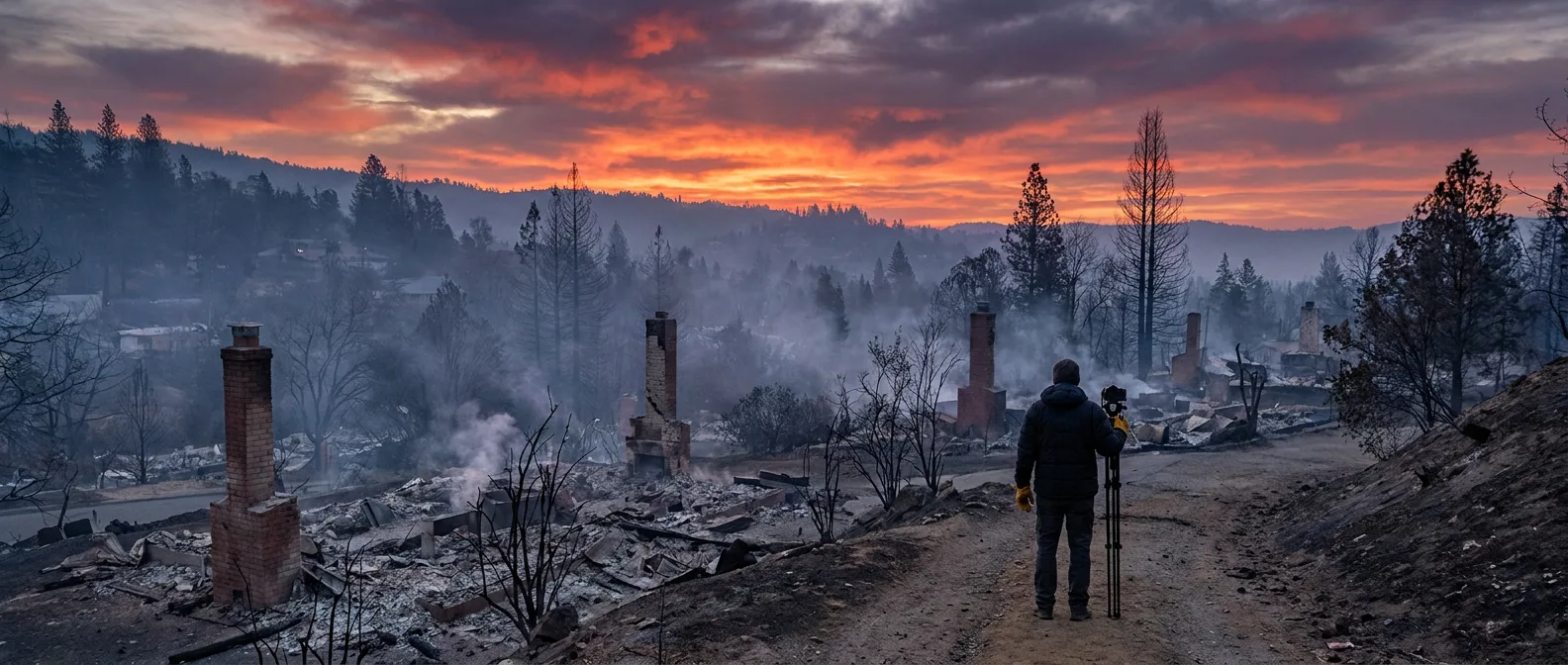
Each active wildfire matter sets its own requirements and deadlines for contents. Status as of October 2026.
Eaton Fire Litigation
- CMO 3 (filed 5/15/2025) requires itemized inventories and professional appraisal results for items or collections valued over $10,000
- Damages expert discovery closes January 8, 2027
- First bellwether trial scheduled January 25, 2027 under CMO 16
Palisades Fire Litigation
- Inverse condemnation claims survived the City of Los Angeles's demurrer
- Damages questionnaire not yet issued; evidence can be gathered now
Oregon PacifiCorp Litigation
- CMO 11 requires supporting appraisals and personal property inventories 45 days before each damages trial
- Oregon Supreme Court granted review June 25, 2026; oral argument set for November 3, 2026
- Contents accounted for roughly 46% of plaintiffs' property damages in Phase I trials
Aspen Acres Fire Litigation
- Contents are measured at market value only, with no sentimental-value component under Colorado law
- Noneconomic damages are capped at $1.5M; economic damages are uncapped
- 1,894+APPRAISALS COMPLETED
- 98%COMPLETED FROM PHOTO EVIDENCE
- 183INSURANCE & LITIGATION APPRAISALS DELIVERED
PRICING
What Determines the Cost of a Contents Appraisal
Number of Items and Rooms
A single high-value item costs less to appraise than a full household inventory.
Evidence That Survived
Thinner evidence means more reconstruction work to document what existed.
High-Value Items and Collections
Fine art, jewelry, and similar items often require specialist research per item.
Intended Use
A claim filing is scoped differently than litigation support, and testimony is billed hourly and separately.
Your Deadline
Court and program deadlines can compress the schedule; we confirm timing before we quote.
Report Format
Line-item detail, confidence tiers and exhibits matched to what the forum asks for.
CLIENT VOICES
What Clients Say About Our Appraisals
Reviews from clients across our appraisal engagements.
The estate appraisal for our car and rugs was handled quickly and efficiently. The process was smooth and hassle-free.
Fast and friendly service. I will definitely use their services again!
CREDENTIALS
USPAP-Compliant Contents Appraisals
Our appraisers hold credentials with leading organizations such as the ISA, ASA, and AAA, and every report is prepared in accordance with USPAP.
International Society of Appraisers
ISA
American Society of Appraisers
ASA
Appraisers Association of America
AAA
FAQ
Contents Appraisal Questions
Can you appraise items that were destroyed in the fire?
Yes. We don't need the item in hand to appraise it. USPAP Advisory Opinion 2 recognizes destroyed property as a case where physical inspection isn't possible, and our appraisers value items from photos, video, receipts, and other evidence documenting what existed and its condition before the fire. Every value is tied to a specific piece of evidence, not a general estimate of what a household probably contained.
What if the receipts burned?
Receipts help, but most of our reports don't rely on them. We build inventories from phone photos, video stills, social media posts, and any records that survived, such as insurance schedules or prior appraisals. Each item is classified by how it's documented, whether photo-identified, document-identified, or owner-attested, and valued accordingly.
What evidence works best?
Dated photos and video showing the item in the home are strongest, including everyday pictures taken for unrelated reasons. Social media posts, insurance schedules, warranty cards, and prior appraisals also work well. Even a detailed, dated written description can support an item when no image survived; we disclose the basis for every value in the report.
Does the Eaton damages questionnaire require professional appraisals?
CMO 3 in the Eaton litigation asks plaintiffs to report the results of any professional appraisal for items or collections valued over $10,000, along with an itemized inventory and pre-fire photos. Our reports are built to match that format, with the appraisal results and evidence organized the way the questionnaire requests.
Which value do you report?
Both. Every line in our reports states replacement cost and pre-loss market value, so the report holds up whichever measure a court, insurer, or compensation program applies. We also state the valuation date, which for a wildfire loss is the date of the fire, and disclose any extraordinary assumptions behind a value.
Can the report be used for the SCE Wildfire Recovery Compensation Program?
The program's Detailed Review track asks for an inventory and original source materials, not summaries or interpretations prepared by experts or counsel. Our reports are built from the underlying evidence itself, photos, records, and documentation, organized the way that review asks for it. We don't represent that any program will accept a given report; that decision belongs to the program.
Are your fees contingent on the outcome?
No. Our fees are flat and set before work begins, regardless of the value we conclude or the outcome of any claim or case. We value property; we don't have a stake in what that value turns out to be.
Can the appraiser testify?
Yes. The appraiser who signs your report can be made available for deposition or trial testimony. Testimony is billed hourly and separately from the appraisal fee, and is scoped once we know what the case requires.
Can appraisal fees be recovered?
In some matters, yes. California Code of Civil Procedure section 1036 allows a public entity to be required to pay a successful plaintiff's reasonable appraisal fees in an inverse condemnation action. Whether fees are recoverable in a specific case depends on the claim and forum, and that's a question for your attorney.
Do you advocate with the insurance company?
No. We prepare independent, USPAP-compliant valuations; we don't negotiate with insurers, act as a public adjuster, or serve as a party or umpire appraiser in a policy appraisal-clause dispute. Our role ends at a signed, defensible report.
GET STARTED
Request a Contents Appraisal
Tell us about the fire, the items, and any deadline you're working against. We confirm timing up front.